
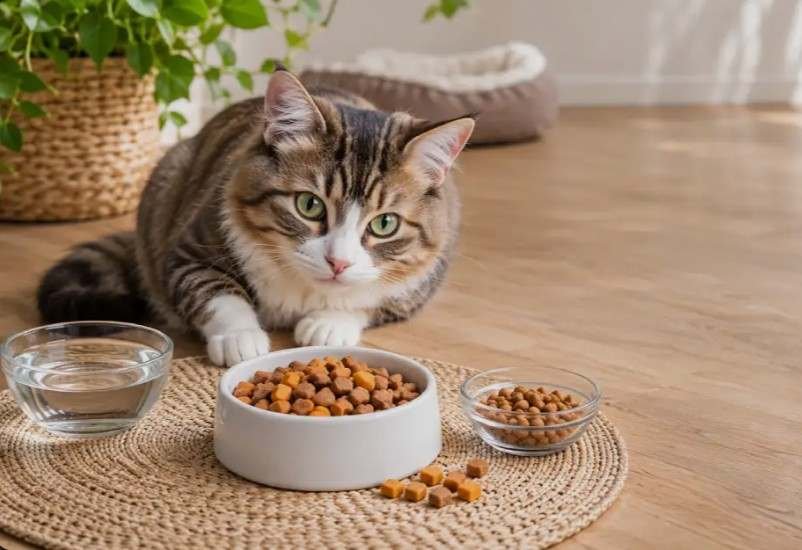
Feeding your cat the right amount of dry food is vital for retaining a healthful weight, assisting digestion, and offering enough power for day by day sports. However, many cat proprietors warfare to decide the suitable serving size. Feeding too little can affect nutrition, even as excessive portions may also contribute to weight gain and obesity.
If you’re questioning How Much Dry Food Should a Cat Eat a Day, the solution relies upon on numerous elements, which include age, frame weight, hobby stage, fitness, and the calorie content of the meals.
This manual explains each day feeding requirements, portion sizes, feeding schedules, and practical suggestions to help you preserve a wholesome eating regimen to your pussycat accomplice.
1. How Much Dry Food Does an Average Cat Need?
Most healthful person cats need approximately one hundred eighty–250 calories daily, although man or woman necessities can range. Dry food is particularly calorie-dense, so even a small serving can offer sizable electricity.
The following desk offers approximate beginning estimates for grownup cats:
| Cat’s Weight | Estimated Daily Calories |
|---|---|
| 2 kg | 100–140 kcal |
| 3 kg | 140–180 kcal |
| 4 kg | 160–220 kcal |
| 5 kg | 180–250 kcal |
| 6 kg | 200–280 kcal |
| 7 kg | 220–300 kcal |
These are wellknown estimates, not constant feeding hints. Your cat’s best body weight, activity, metabolism, and fitness need to decide its real calorie requirements.
2. How Many Grams of Dry Food Should You Give Your Cat?
The amount of dry food depends on what number of energy the unique logo affords.
For instance, think your person cat desires 2 hundred calories day by day and its dry food consists of 400 energy in step with 100 grams.
The calculation could be:
-
Daily calorie requirement: two hundred kcal
-
Food energy: 400 kcal according to a hundred grams
-
Daily portion: 50 grams
Therefore, about 50 grams would provide the desired energy if dry meals have been the only supply of nutrients.
When calculating quantities, recollect to:
-
Check the calorie information on the packaging.
-
Use a kitchen scale for accurate measurements.
-
Include treats in the daily calorie allowance.
-
Adjust quantities whilst combining moist and dry food.
-
Monitor your cat’s weight often.
3. What Factors Affect Daily Dry Food Requirements?
Every cat has distinct nutritional desires. Several factors have an impact on its daily meals consumption.
Age
Kittens want extra energy and vitamins for boom. Adult cats normally require upkeep nutrients, whilst senior cats may also want nutritional modifications.
Body Weight
Larger cats can also need greater calories, but obese cats must be fed in line with their ideal body weight instead of their contemporary weight.
Activity Level
Active cats generally burn greater strength than indoor cats that spend most in their time sleeping.
Health Conditions
Diabetes, kidney ailment, digestive troubles, and urinary conditions can have an effect on nutritional requirements. Veterinary advice is crucial when selecting specialized meals.
Food Composition
Different brands comprise specific calorie tiers. Always evaluate dietary information as opposed to assuming that identical quantities offer same strength.
4. How Often Should You Feed Your Cat Dry Food?
Most healthy adult cats do well with two measured meals every day. Some cats additionally advantage from smaller, more frequent food.
Here is an example of a day by day feeding schedule:
| Time | Feeding Routine |
|---|---|
| 7:00 AM | Morning meal |
| 12:00 PM | Small element (optional) |
| 6:00 PM | Evening meal |
Divide the total day by day food allowance among meals as opposed to treating each meal as an additional serving.
Kittens usually want greater common feeding because their bodies are developing unexpectedly.
5. Can Cats Eat Only Dry Food?
Yes. Cats can eat exclusively dry food if it’s miles complete and balanced for his or her particular life stage.
However, dry food carries highly little moisture compared with wet meals. Therefore, presenting sparkling ingesting water is specifically crucial.
Follow these tips:
-
Keep clean drinking water available all through the day.
-
Wash water bowls frequently.
-
Consider the use of a puppy water fountain.
-
Monitor your cat’s consuming habits.
-
Discuss extra moisture via moist food with your veterinarian.
Combining moist and dry meals is every other alternative, supplied the entire daily calorie consumption stays appropriate.
6. Signs You Are Feeding Your Cat Too Much or Too Little
Monitoring your cat’s frame circumstance can assist become aware of feeding issues early.
Signs of Overfeeding
-
Noticeable weight advantage.
-
A developing stomach and reduced waistline.
-
Difficulty jumping or hiking.
-
Less hobby in playing.
-
Reduced bodily activity.
Signs of Underfeeding
-
Unexplained weight loss.
-
Visible ribs, backbone, or hip bones.
-
Reduced electricity degrees.
-
Poor coat circumstance.
-
Persistent hunger.
Sudden weight modifications or appetite modifications have to be evaluated by a veterinarian.
7. Practical Tips for Healthy Dry Food Feeding
A regular feeding habitual allows save you overeating and makes it less difficult to screen your cat’s vitamins.
Consider these beneficial practices:
-
Choose complete and balanced cat food.
-
Select formulas appropriate for your cat’s age.
-
Measure portions using a kitchen scale.
-
Avoid immoderate treats among meals.
-
Store dry meals in an airtight container.
-
Follow the manufacturer’s storage instructions.
-
Introduce new meals step by step over 7–10 days.
-
Schedule regular veterinary checkups.
Avoid making unexpected nutritional adjustments, specially when your cat has an existing scientific situation.
Frequently Asked Questions (FAQs)
1. Is 50 grams of dry food sufficient for a cat?
It can be enough for some grownup cats, depending on their calorie requirements and the nutritional composition of the food.
2. Can I leave dry food out all day?
You can offer a measured day by day component if your cat does no longer overeat. However, scheduled meals make portion control less complicated.
3. Do indoor cats want less dry meals?
Indoor cats frequently have lower interest levels and may require fewer calories. Their character wishes should decide the proper serving.
4. Should I mix dry meals with wet food?
Yes. Combining both kinds can provide range and extra moisture. Adjust the dry food portion to account for energy from moist food.
5. How do I know if my cat is eating sufficient?
Monitor its weight, body situation, appetite, power, and coat fine. Consult a veterinarian in case you observe unexplained changes.
Conclusion
Understanding How Much Dry Food Should a Cat Eat a Day is an important a part of responsible pet ownership. The correct serving relies upon on age, weight, hobby, health, and the calorie content of the meals.
Rather than depending completely on wellknown feeding charts, calculate day by day calorie requirements, degree portions carefully, and screen your cat’s body situation. With balanced vitamins, sparkling drinking water, and a consistent feeding time table, you may assist your pussycat associate maintain a wholesome weight and enjoy a happier lifestyles.
What Are the Top 20 Best Cat Foods? A Complete Guide for Cat Owners
One thought on “How Much Dry Food Should a Cat Eat a Day? A Complete Feeding Guide”