
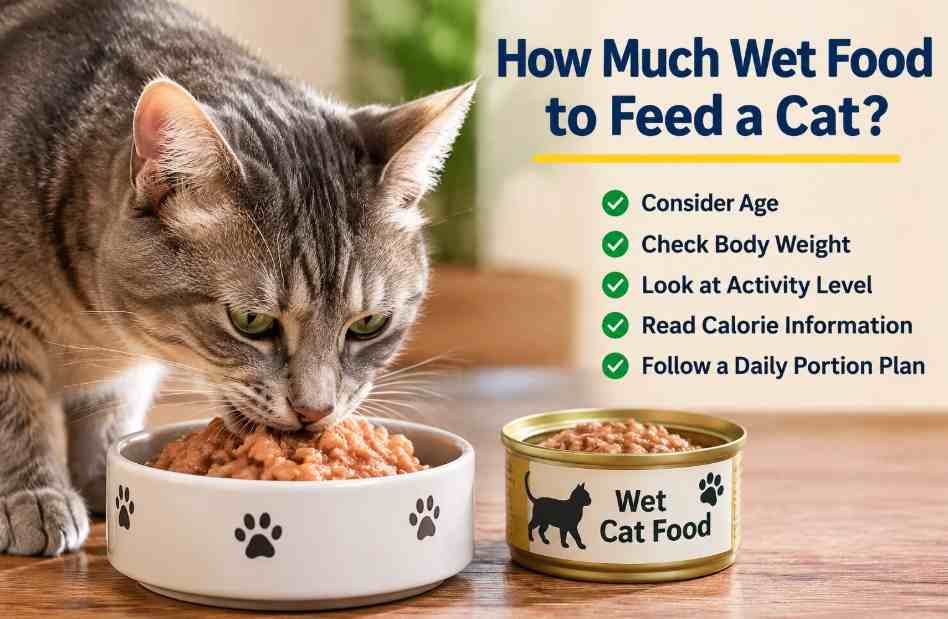
Choosing the proper amount of food in your cat is vital for retaining desirable health, wholesome digestion, and a perfect frame weight. Wet cat meals is a famous choice amongst pet owners as it includes masses of moisture, gives exceptional flavours, and provides important nutrients. However, serving the precise component can sometimes be puzzling, particularly while each cat has distinctive dietary needs.
If you are questioning How Much Wet Food to Feed a Cat, the solution depends on several elements, which include age, frame weight, activity degree, and the calorie content material of the meals. Understanding those elements let you create a balanced feeding ordinary without by accident overfeeding or underfeeding your hairy accomplice.
How Much Wet Food Does a Cat Need Every Day?
Most healthy adult cats want about a hundred and eighty–280 energy every day, although some may also require more or much less depending on their person wishes. The amount of wet food required relies upon at the energy contained in every can or pouch.
For instance, if a moist meals can incorporates one hundred energy and your cat calls for 200 energy every day, you would want approximately cans.
Here is a simple feeding chart primarily based on wet food containing a hundred energy in keeping with can:
| Daily Calorie Requirement | Wet Food Quantity |
|---|---|
| 100 calories | 1 can |
| 150 calories | 1.Five cans |
| 200 calories | 2 cans |
| 250 calories | 2.Five cans |
| 300 calories | 3 cans |
These figures are examples, now not fixed feeding suggestions. Always take a look at the calorie facts on the packaging and remember your veterinarian’s recommendation.
Factors That Determine Your Cat’s Food Requirements
Every cat has unique dietary necessities. Before deciding on day by day portions, recall these essential elements.
1. Age and Growth Stage
A kitten wishes extraordinary nutrition from an person or senior cat.
-
Kittens: Growing kittens need extra energy and nutrients to support development. They typically advantage from 3 or extra small meals during the day, depending on age.
-
Adult cats: Most person cats do well with two or more measured meals daily.
-
Senior cats: Older cats may additionally become less active or expand fitness conditions that have an effect on their appetite and nutritional requirements.
Choose food mainly formulated to your cat’s existence degree.
2. Body Weight and Condition
Body weight plays an critical function in figuring out food quantities. However, a heavier cat does not usually need more food. An obese cat may require fewer calories to reach and keep a healthy weight.
Monitor your cat’s frame circumstance via checking whether or not its ribs can be felt without problems underneath a moderate fat protecting and whether or not it has a seen waist when considered from above.
3. Activity Level
Indoor cats frequently have fewer possibilities to exercise than outside cats. Less lively pets may additionally require fewer energy to avoid pointless weight gain.
Active cats that frequently play, climb, and explore might also need extra energy. Adjust portions in step with your cat’s lifestyle in place of following a feeding chart blindly.
4. Health and Medical Conditions
Certain medical situations can impact appetite, digestion, and calorie necessities. Cats with diabetes, kidney disorder, or digestive troubles might also need specific nutritional plans.
Always speak with a veterinarian before making enormous dietary changes.
How to Calculate the Correct Wet Food Portion
Calculating your cat’s day by day food allowance is notably simple.
Follow these steps:
-
Determine your cat’s each day calorie requirement with help from a veterinarian.
-
Check the calories listed at the wet food packaging.
-
Divide the desired daily energy by the calories in step with can.
-
Subtract energy furnished by means of dry food and treats.
-
Divide the remaining meals allowance into appropriate meals.
For example, if your cat wishes 200 calories every day, and every can contains 100 calories, two cans could offer the complete each day allowance if no other meals is given.
This easy calculation makes it easier to recognize how a lot moist food to feed a cat without relying entirely on guesswork.
Is Wet Food Better Than Dry Food?
Both wet and dry cat meals can offer balanced vitamins whilst formulated accurately. However, moist food gives an important advantage: moisture.
Most wet cat ingredients comprise approximately 70–80% water, which helps growth your cat’s every day fluid consumption.
Other benefits consist of:
-
Soft texture that many cats find appealing.
-
Convenient element control via character cans and pouches.
-
Different flavours and textures for selective eaters.
-
Additional moisture thru normal meals.
-
Options for cats that have difficulty chewing dry kibble.
You also can integrate moist and dry meals. Just do not forget to calculate the full calories from both assets to save you overfeeding.
How Often Should You Serve Wet Cat Food?
A regular feeding time table allows cats broaden healthful consuming conduct.
| Cat’s Age | General Feeding Frequency |
|---|---|
| Under 6 months | Around three meals daily |
| 6–12 months | Around 2 food daily |
| Adult cats | 2 or greater food daily |
| Senior cats | Usually 2 meals or as recommended via a vet |
Serve meals at about the identical instances every day. Avoid leaving moist food at room temperature for prolonged durations, and refrigerate unused quantities in keeping with the manufacturer’s commands.
Common Wet Food Feeding Mistakes to Avoid
Even experienced cat proprietors on occasion make feeding errors. Avoid those common issues:
-
Giving too many treats among food.
-
Ignoring the calorie statistics on packaging.
-
Serving portions without measuring them.
-
Changing food suddenly with out a sluggish transition.
-
Using person upkeep food for developing kittens.
-
Ignoring unexplained weight benefit or weight loss.
Treats must usually account for no more than 10% of a cat’s daily calorie intake. The majority of nutrition ought to come from entire and balanced cat food.
Frequently Asked Questions
Can I feed my cat moist meals each day?
Yes. Wet meals can be your cat’s ordinary weight loss program if it is entire and balanced for its existence level. Always comply with suitable component hints.
Is you can actually of moist food sufficient for an adult cat?
It relies upon on the can’s calorie content and your cat’s nutritional necessities. Some cats can also need you will, while others require or more cans every day.
Should cats eat moist meals within the morning or night?
Both are suitable. You can divide the daily allowance between morning and evening meals or provide extra smaller meals throughout the day.
Does moist food help prevent dehydration?
Wet food presents additional moisture via food, helping boom water consumption. However, always hold clean drinking water to be had.
Can I blend wet food with dry food?
Yes. Combining each kinds is perfectly applicable when the general weight-reduction plan is nutritionally balanced and the whole daily energy are appropriate.
Final Thoughts
Understanding How Much Wet Food to Feed a Cat can make a widespread difference in maintaining your pet’s dietary health and best body weight. The proper quantity relies upon on age, pastime, body circumstance, health, and the calorie content of the chosen meals.
Measure quantities carefully, set up a ordinary feeding schedule, and screen your cat’s weight through the years. Most importantly, seek advice from your veterinarian when adjusting food portions or addressing unexpected changes in urge for food and weight.
A balanced food plan, sparkling consuming water, and regular feeding behavior can help your feline associate revel in a healthier and happier life.
2 thoughts on “How Much Wet Food to Feed a Cat: A Complete Daily Feeding Guide”